Up next in 10



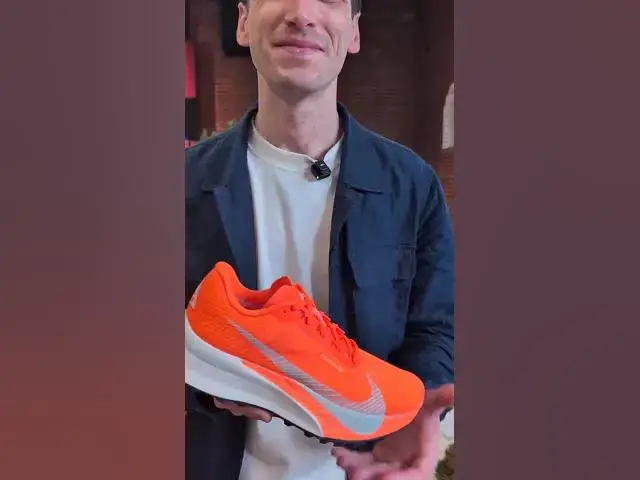
One-on-one with Brenden McAleese, ACG Product Director as he discusses Ultrafly 2, now named ACG Ultrafly, and Zegama 3, now ACG Zegama
Show More Show Less View Video Transcript
0:00
road trail run here at TR 2025 at the
0:03
Nike uh media breakfast with Brendan
0:05
Maise uh from their ACG division and
0:09
he's got some shoes to show us.
0:11
Yeah. Hey, I'm Brendan Mise. I'm the
0:12
product director for ACG uh and yeah,
0:14
excited to talk to you about the
0:15
Ultrafly uh and the Zagama. So, the ACG
0:18
Ultrafly uh is actually our most tested
0:21
uh trail or ACG shoe uh in Nike's
0:24
history. So, over 14 rounds of long-term
0:26
wear testing. gotten is an 8week minimum
0:29
test uh with various mileage logged and
0:31
those total cats accumulated in over
0:33
30,000 miles uh run. So our most trusted
0:37
chew uh and through race environments.
0:39
So for those of you with a really keen
0:40
eye, you might have seen some of our
0:42
professional athletes like Akila Bolson
0:44
wore a prototype of this uh when he won
0:46
Trans Grand Canary Classic as well as
0:48
Western States this year. Uh and so this
0:51
has been put through the paces through a
0:53
race environment as well which is really
0:54
crucial for us. Uh so we'll go through
0:56
some of the technical details and what
0:57
make it really special. Uh really this
0:59
was born out of the ask or challenge
1:01
really from our athletes of could we
1:02
make a super shoe for the trails. Uh we
1:04
did that with the Ultrafly 1 on the
1:06
trail side. Uh and this was taking it
1:08
again into that ACG space kind of
1:10
unleashing uh some of that making it a
1:12
little bit more wild. So we're
1:14
maintaining V-bra Mega Grip uh with uh
1:16
white base. So again reducing some of
1:18
that weight uh but having that security
1:20
of traction uh and trust there that
1:22
V-Bram offers. Moving into the midsole,
1:25
uh you have a dual density Zoom X. Uh
1:28
and this is a newer version of ZoomX
1:30
that's lighter uh and more durable. Uh
1:33
and then you pair that with a fulllength
1:35
carbon fiber split plate uh to deliver
1:37
that amazing propulsiveness uh under
1:40
foot. So you can really kind of actually
1:41
see here where the orange is highlighted
1:43
is almost like showing you where that
1:45
plate is uh within the shoe. So by
1:47
splitting it offering that more
1:48
torsional uh flexibility uh so that you
1:51
can really work uh with the train as
1:52
opposed to the terrain kind of working
1:54
you. Then moving into the upper you have
1:56
a lightweight uh durable breathable and
1:59
drainable uh textile that has this
2:01
dynamic print on it that offers some
2:03
stability containment as well as again
2:04
just a unique uh aesthetic particularly
2:07
with how it blends in with that textile
2:09
forefoot wrap uh kind of linking the
2:11
upper and the midsole. Uh and then you
2:13
have some traditional kind of comfort
2:14
cues as well within the collar and
2:16
tongue. So wanting to really focus on
2:18
making this the right weight uh so that
2:20
again it can handle those 100 mile races
2:22
uh like the western states uh and really
2:25
provide that overall comfort to take you
2:26
the distance. So that's the ACG Ultra
2:28
Fly
2:29
and that's a very light shoe right
2:31
it is a light shoe for us. Yeah. So for
2:33
a men's uh US men's 10 is 278 g
2:39
and can we see the Zagama too?
2:41
Yeah, of course. Let's take a walk over
2:42
here.
2:45
So, the Ultrafly will come out in spring
2:47
26 and Ziggama will quickly follow in uh
2:50
summer 2026. Uh and so this is the Hugg
2:54
Zagama. Uh this is our most max
2:56
cushioned and kind of comfortable shoe,
2:58
really built to handle any terrain uh or
3:01
distance. We call this our all day and
3:02
all night shoe again because it's really
3:04
meant to take you over the course of
3:06
those long uh endurance races as well as
3:08
just as a great training vehicle. Uh
3:11
that max cushioning again really
3:13
providing the legs some added cushioning
3:15
and support uh over the course of those
3:17
long training blocks. So we'll start
3:19
with some of the tech specs that make
3:20
this one uh really come to life. Uh
3:23
utilizing V-bum Mega Grip uh with a 4
3:26
1/2 mil lug height. So again, really
3:28
able to handle uh those technical
3:29
terrains uh and provide that overall
3:32
confidence and stability uh out there.
3:34
Then moving into the midsole. So you
3:36
have a dual density midsole here. We
3:38
have a ZoomX. Again, one of our
3:40
lightest, most responsive phones that's
3:42
really tuned for the trails. Uh and then
3:44
you pair that with a Kushon foam that
3:46
adds some added uh stability as well as
3:50
durability to make sure that again this
3:51
can really handle those technical
3:53
terrains. Moving into the upper, uh you
3:56
have a lightweight and breathable
3:57
engineered mesh. So those zonalized
3:59
structure and support as well as
4:01
breathability in those key zones. Uh and
4:03
then maintaining uh the gator. This
4:05
material has evolved uh from kind of its
4:08
predecessor if you will or inspiration
4:10
point of the Zagama Trail 2 uh to be
4:13
much more breathable as well as it has
4:15
uh better uh responsive properties. So
4:18
as uh kind of maintains its shape uh for
4:21
longer, which is something that we're
4:22
really excited about. Uh and then
4:24
maintaining those comfort cues to again
4:25
really take you the distance. So the
4:28
stack is uh 3834.
4:30
Uh so maintaining that 4 mil drop. Uh
4:33
and then
4:34
and is that the same stack height as
4:36
previous?
4:36
So it's actually increased a bit from
4:38
the previous versions by about 2 mm
4:40
overall. Uh so again getting that much
4:42
more foam under foot to provide that
4:45
protection uh over the course of those
4:47
long runs. But I will show you kind of a
4:49
a tooling part that really shows just
4:51
how low you're sitting within the
4:53
tooling itself. And this also shows that
4:55
dual density system of how much ZoomX
4:57
you're getting underfoot with that
4:58
cushon really acting as that stabilizer
5:00
and durability component. But you can
5:02
really see that almost like bucketed
5:04
construction where you're sitting pretty
5:06
low into that foam. So while the stack
5:08
uh has increased, you're really again
5:10
still maintaining that real stability
5:12
and support. Uh as well as coupled with
5:14
again those slightly wider nets. Uh this
5:17
is again incredibly stable across uh
5:19
really rugged terrain. So uh for a US
5:22
men's 10, it's coming in at 336 g.
5:26
326.
5:27
36.
5:28
36.
5:29
Yes.
5:30
All right. Thank you so much, Brendon.
5:31
That's been awesome.
5:31
Pleasure. Appreciate it.